I accidentally deleted important files on my computer and now I’m stuck trying to figure out how to recover them. Does anyone know a reliable software for this? I need something trustworthy that can handle large amounts of data efficiently. Any suggestions?
Top Data Recovery Software for Windows & Mac in 2025 (Free & Paid Options)
Whether you’re hunting for lost files from an accidental deletion, battling the effects of a corrupted drive, or facing issues with your SD card, having a reliable data recovery tool is a must. Below is a compiled list of the best data recovery software for Windows and Mac in 2025, complete with pros, cons, and verdicts to help you choose the right one.
Best Data Recovery Software for Windows (2025)
1. Disk Drill | The Champion
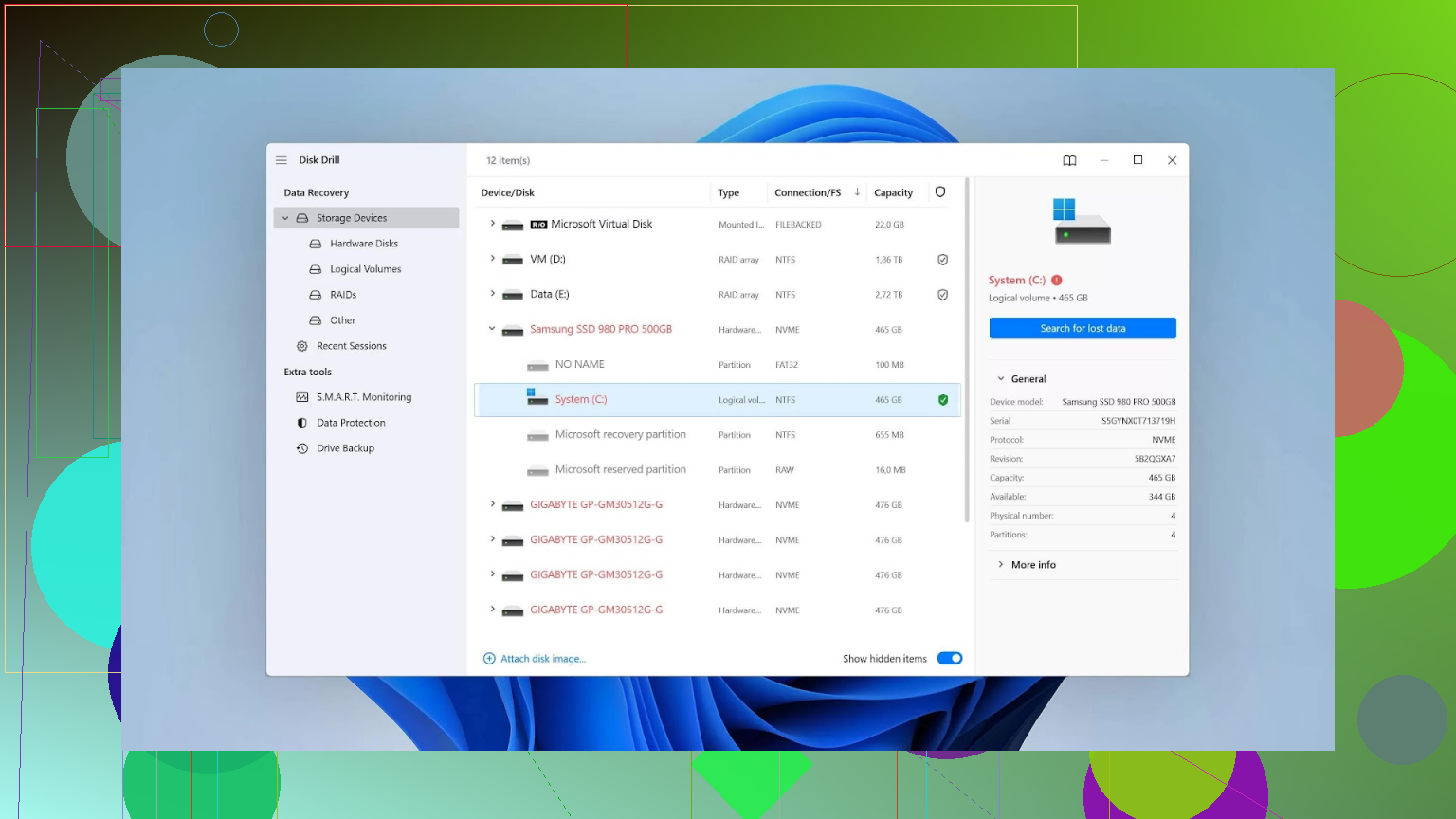
Advantages:
- Robust RAID support, including RAID 0, 1, and 5.
- Your purchase gets you both the Windows and Mac versions.
- Features real-time scanning progress and virtual disk mounting.
- Allows you to preview files before initiating recovery.
Drawbacks:
- Lacks options for video or photo repair.
- Does not support custom boot disk creation.
Conclusion:
Disk Drill stands out for its ease of use, versatility, and ability to handle over 300 file formats on NTFS, FAT32, exFAT, and more. A top choice for users seeking a strong all-around tool.

2. DMDE (DM Disk Editor and Data Recovery Software)
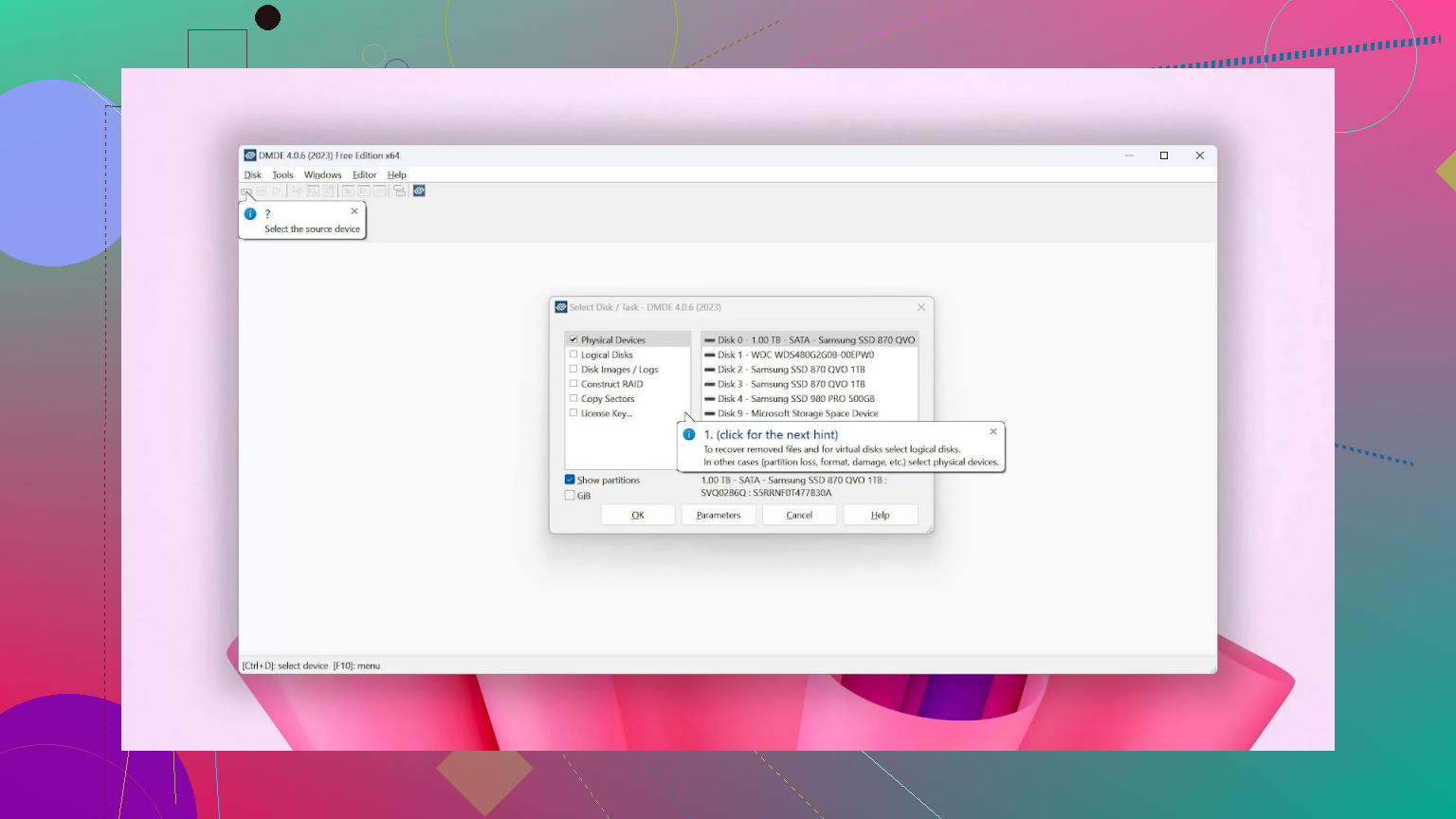
Advantages:
- Exceptional scanning performance with a dedicated bootable DOS version.
- Swift recovery speeds with support for custom file signatures.
Drawbacks:
- File preview functionality can be sluggish.
- Scan results cannot be previewed before recovery.
Conclusion:
DMDE is an advanced, affordable tool ideally suited for tech-oriented individuals. Its lifetime updates add impressive value for long-term use.
3. DiskGenius
Advantages:
- Seamlessly integrates data recovery and disk management tools.
- Offers support for RAID recovery and WinPE boot environments.
Drawbacks:
- The signature scanner feature lacks strength.
- Comes with a steep learning curve, making onboarding difficult for beginners.
Conclusion:
DiskGenius offers expansive features tailored for professionals who require more than basic recovery capabilities. While complex to use, it is highly rewarding for experienced users.
Best Data Recovery Software for Mac (2025)
1. Disk Drill
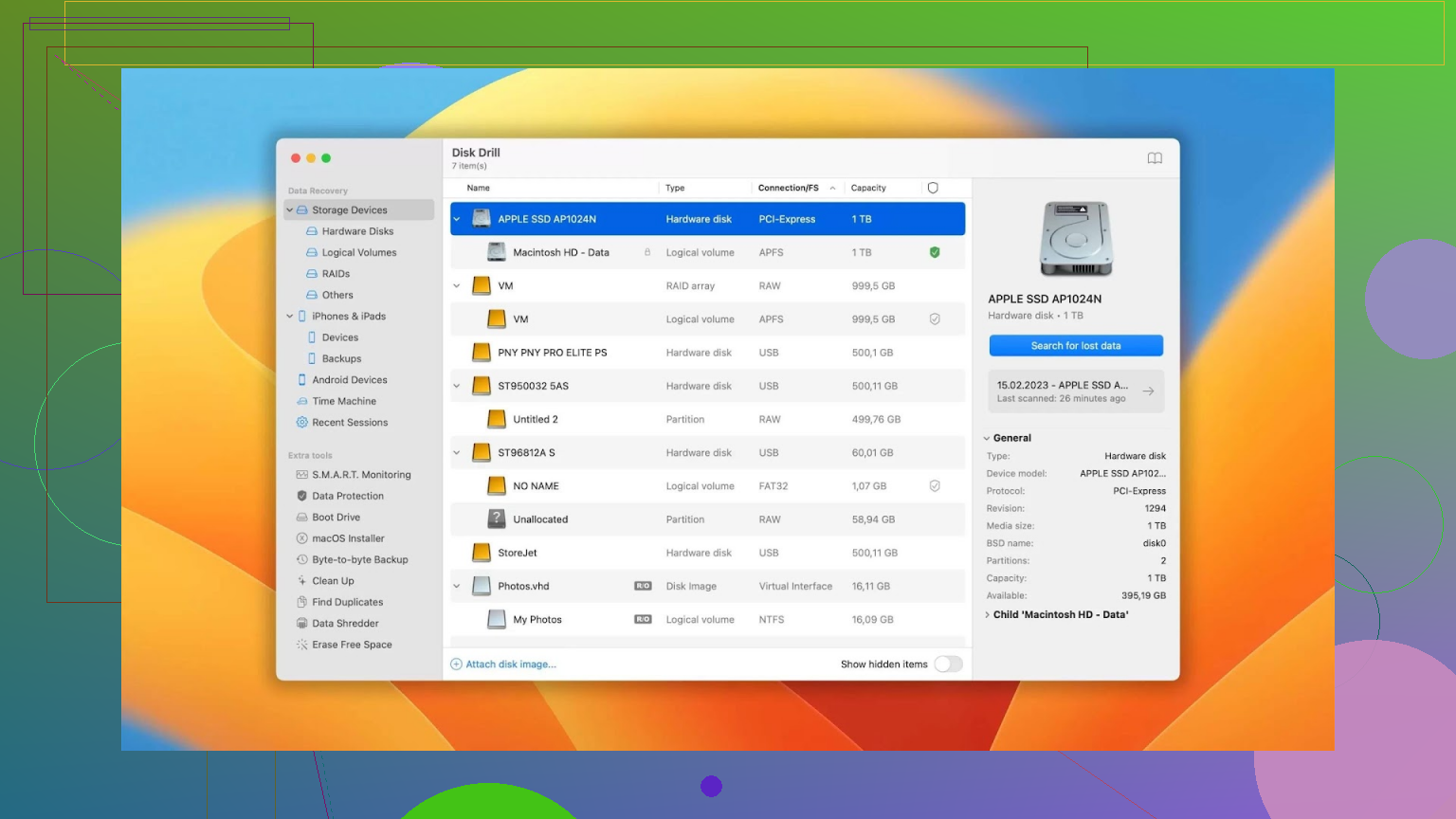
Advantages:
- Offers additional utilities and RAW photo recovery capabilities.
- Compatible with the latest Mac devices, including T2, M1, and M2 chips.
- Provides an estimation of recovery success for each file.
Drawbacks:
- Does not provide direct phone support for customer issues.
- Lacks a feature for remote recovery.
Conclusion:
Disk Drill maintains its status as a favorite. Its user-friendly interface combined with powerful features makes it ideal for Mac users exploring file recovery.
2. R-Studio
Advantages:
- Includes a portable emergency version for on-the-go recovery.
- Compatible with legacy hardware, such as CDs, DVDs, and even floppy disks.
Drawbacks:
- Does not support T2 or M1 system disks.
- Missing integrated file preview functionality.
Conclusion:
R-Studio is a professional-grade tool built for experts. However, beginners may find the lack of user-friendliness and heavy customization daunting.
3. Data Rescue
Advantages:
- Enables virtual RAID assembly for advanced recovery scenarios.
- Comes equipped with a Hex editor for deeper analysis.
Drawbacks:
- Requires an internet connection for license validation.
- Does not natively support M1 chip-based Macs.
Conclusion:
Once a leader in the data recovery landscape, Data Rescue struggles to keep up with modern macOS advancements and now feels slightly outdated.
This comprehensive guide provides an overview of tools catering to a wide range of needs. Whether you’re a casual user looking to recover family photos or a tech professional needing advanced file restoration, these options are sure to help. Select the one that matches your skill level and recovery requirements!
If you’re looking for reliable data recovery software, I’d personally recommend Disk Drill as your best bet. I’ve used it myself for recovering accidentally deleted files, and it’s kind of a lifesaver. It has a super user-friendly interface, handles a wide range of file types (over 300 formats!), and works equally well on both Windows and Mac. Plus, the option to preview files before recovering is a godsend—you don’t waste time restoring junk you don’t need. It even supports drives like NTFS, FAT32, and others.
Now, before you dive right in, a little heads-up: it doesn’t offer features like repairing damaged video or photo files. So if that’s your issue, you might need to look elsewhere. But for straight-up recovery of deleted files, Disk Drill is solid.
Someone above (@mikeappsreviewer) mentioned other tools like DMDE and DiskGenius, and while they’re also decent choices, they tend to require a bit more technical know-how. DMDE, for instance, is affordable and highly capable, but its interface is not as friendly for a casual user. As for DiskGenius, yes, it’s packed with features, but the learning curve is no joke. If you’re not into tinkering with advanced settings, you might wanna skip it.
If you’re on Mac, Disk Drill is still a strong contender, though if you’re after something more geared toward professionals, R-Studio is worth consideration. Just be mindful that it lacks some modern compatibility (M1 chips, for example) and can feel unnecessarily complex if you’re just trying to recover a few files.
In summary: If you’re after efficiency and ease of use, Disk Drill is pretty hard to beat—practical and no fuss. If you’re a tech-savvy nerd who loves diving deep into settings, DMDE might make your day. Just pick the one that aligns with your expertise and amount of patience.
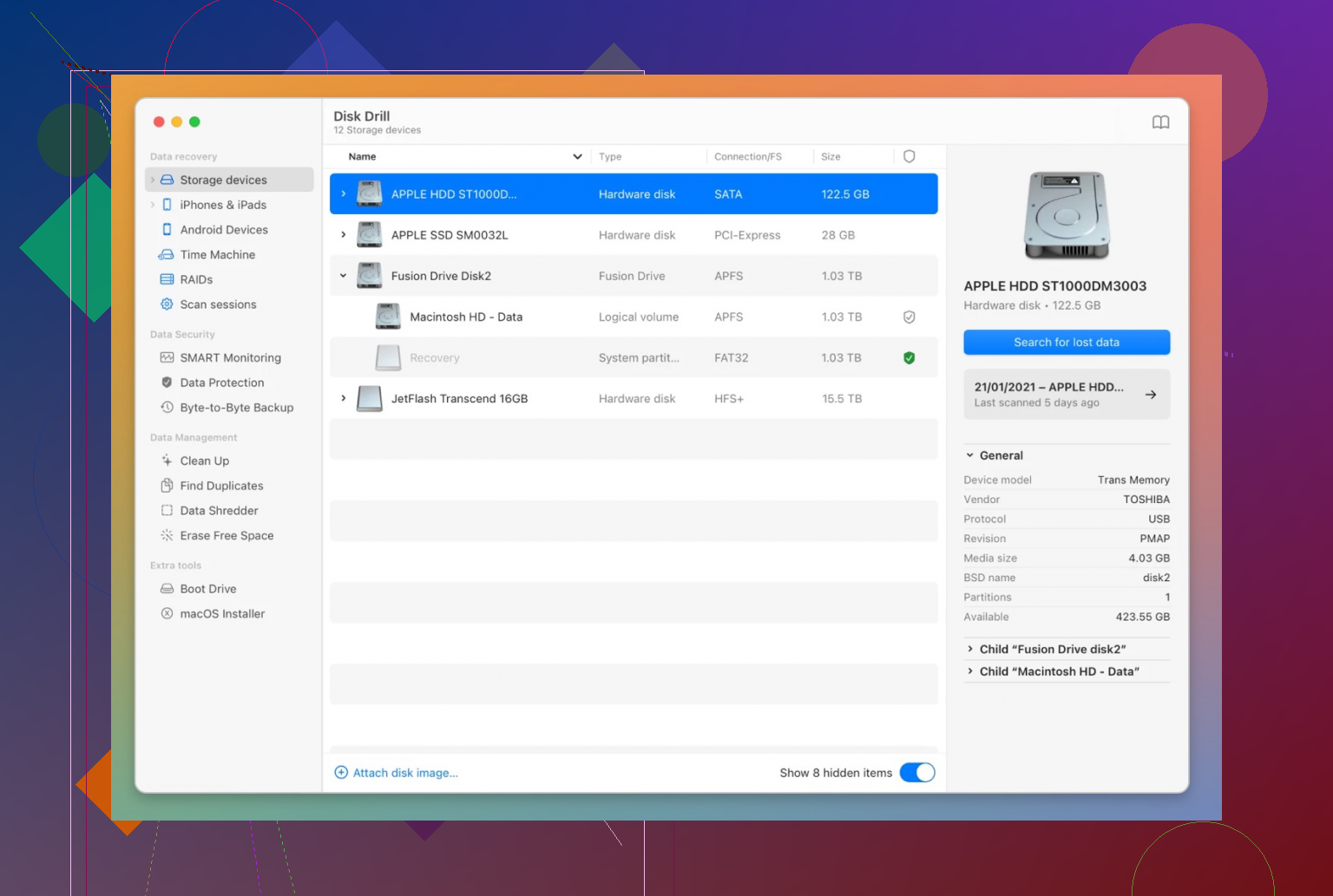
If you accidentally deleted important files, you’ve got a few solid options to get them back, but which software you pick kinda depends on your tech skills and patience level. People swear by Disk Drill, and I can see why. It’s super intuitive and doesn’t require you to be a tech wizard. Just install, scan, and recover—bam. Plus, it supports like 300+ file formats, so unless you lost something super obscure, it’s likely to bring your stuff back. Bonus: You can preview files before restoring, so you’re not wasting time recovering useless junk.
Now, as much as others love it too, it’s not without flaws (let’s be real, nothing’s perfect). You can’t fix damaged files (like broken videos or photos), so if you’re dealing with corruption issues, you might need to explore other options.
If you don’t mind a challenge, DMDE is another choice, but its interface feels like taking a time machine back to the ‘90s. Sure, it’s powerful, and if you know what you’re doing, it’s a beast. But for casual users? Nah, expect a lot of head-scratching. Meanwhile, DiskGenius is feature-packed (great for RAID stuff and partition fixes), but it’s not exactly user-friendly. Unless you enjoy reading manuals, maybe skip it.
Mac folks, you’re golden with Disk Drill too—it’s optimized for newer Macs (M1, M2 chips, etc.), but if you’re nostalgic and hoarding files on a floppy disk (yes, some of us are guilty), R-Studio might work. That said, R-Studio is geared more toward pros, so steer clear if you’re just trying to save vacation photos.
TL;DR: Disk Drill for ease, DMDE for geeks, DiskGenius for pros, and R-Studio if you want to feel like a data recovery expert. Pick your poison.
Alright, so for recovering your deleted files, Disk Drill is a front-runner if you’re looking for something reliable and user-friendly. Here’s why it’s a solid pick: it supports over 300 file formats, offers a preview feature for files before recovery (huge time-saver), and works on both Windows and Mac seamlessly—including the latest Mac M1 and M2 chips. The free version gives you a glimpse of its capability, though it caps the amount of free data you can recover (keep that in mind).
That said, there are a couple of trade-offs. Disk Drill doesn’t support repairing corrupt files (like videos or images), and there’s no built-in tool to create custom bootable recovery disks—so for those scenarios, it might leave you needing extra software.
If you’re a power user or feel like rolling up your sleeves, DMDE is another contender. It’s hardcore in terms of functionality, with custom file signature support and quick scanning, but let’s be honest, the interface feels a bit dated and non-intuitive. It’s great for deep dives but not ideal for a casual user.
DiskGenius, on the other hand, blends recovery with disk management features, making it a Swiss Army knife for partition repairs or RAID. However, its steep learning curve could overwhelm newbies, so skip it unless you’re really into tech.
One negative I slightly disagree with some comments on is Disk Drill being ‘perfect’ for everything—it’s not for advanced scenarios like virtual RAID assembly or legacy hardware (that’s more R-Studio’s realm). But for day-to-day file recovery with an intuitive interface? Hard to beat.
Summary: Disk Drill for all-around ease and performance, DMDE if you’re ready for a challenge, and DiskGenius for RAID and pro-level stuff. If you need to recover a tangled mess of files quickly and with minimal stress, Disk Drill is where it’s at.
Try restoring from your system’s own backups first. It is faster and safer than third‑party tools.
On Windows, open Recycle Bin. Restore files if they are there.
Then use File History or Backup and Restore.
Settings > Update & Security > Backup. Check for previous versions of the folder.
On macOS, open Trash. Restore files.
Then use Time Machine.
Click the Time Machine icon, browse dates, restore the deleted folder.
Many users recover 100 percent of lost files this way if backups are recent.